Cowboy Butter vs Other Sauces: Unmasking the Healthier Choice
Whether you are having steaks that are sizzling or maybe roasted vegetables, the right sauce would turn a simple meal into a masterpiece. Home cooks and foodies have found a new competitor in the ever-growing world of condiments: Cowboy Butter. This hearty, herb, and spicy blend is renowned for its flavour and bravery, yet as it moves to more dishes, the key concern is to be asked: cowboy butter vs other sauces, which is healthier? Or, how does it measure up to the nutritional value of other favourite sauces?

The question: Cowboy butter vs other sauces
Butter has long been debated in nutrition circles due to its saturated fat content. While many avoided it for heart health, recent science has shifted the focus. As cowboy butter is gaining popularity, the question is whether cowboy butter vs other sauces is a healthier choice?
Although some organisations still warn against too much saturated fat, nutrition advice now centres more on overall eating habits than on single foods. Simple products like butter no longer share the negative reputation of processed spreads. But the debate is, while considering health concerns or having a keto diet, how can we compete with cowboy butter vs other sauces?
The paper will take a step beyond the hype and offer a clear evidence-based comparison of Cowboy butter vs other sauces. We will dissect the nutritional composition of Cowboy Butter and compare it head-to-head with the typical varieties of sauces, ranging from sweet barbecue sauces to creamy dressings and vinaigrettes that are based on oils. With the analysis of such significant indicators as calories, fats and their types, sodium, and sugar, we will reveal what the Cowboy Butter really is and thus make the appropriate and healthier choice to add to your table.
Cowboy Butter: Analysis of Ingredients, Taste, and Beauty.
What is Cowboy Butter?
Cowboy Butter is a compound butter, meaning it is butter mixed with additional ingredients. While basic compound butters can contain just a few ingredients, Cowboy Butter typically has a more complex flavour profile. It can be used as a spread or as a dipping sauce when melted. The rise in popularity of flavoured butters suggests increasing consumer interest in convenient flavour additions.
Cowboy Butter is a magic ingredient product. The recipe includes:
- Butter: The base. Quality (such as grass-fed) can alter the nutritional profile, adding beneficial fats like Omega-3s.
- Garlic and Shallots: These alliums are pungent, savoury, and considered beneficial for health.
- Fresh Herbs: Parsley, chives, and occasionally thyme or cilantro will bring fresh and lively flavours and a little bit of vitamins and antioxidants.
- Acidity: Lemon juice and Dijon mustard cut through butter’s richness, balancing and adding complexity.
- Heat and Spice: Red pepper flakes, paprika, and black pepper add a spicy kick.
The Nutritional Landscape: an Exposure to Sauce Categories.
In order to objectively review Cowboy Butter vs other sauces, we need to have firsthand knowledge of the nutritional environment of its competitors. The majority of the most popular sauces can be divided into several categories, and each category is characterised by various health concerns.
The typical Sinners: High-Sugar and High-Sodium Sauces.
Many pantry products, such as ketchup, barbecue, and teriyaki, are under this category. Although they are tasty, their packaging is characterised by high levels of added sugar and sodium, as indicated on their labels. One serving may make a substantial contribution to the daily limit of sugars recommended by the health department, causing blood sugar levels to spike and overconsumption of calories with little nutrition. Blood pressure and the overall health of the heart are highly concerned with high levels of sodium.
Healthier Sauces, Vinaigrettes, Pestos, and Variations.
A healthier option is often viewed as the one that falls under this category, where the unsaturated fats are followed. Traditional vinaigrettes prepared using olive oil, vinegar, and herbs provide monounsaturated healthy fats to the heart. Olive oil and nuts have the same benefits as pesto does.
Nutritional breakdown: Cowboy Butter vs other Sauces.
Let’s compare Cowboy Butter vs other sauces in these categories, using a standard two-tablespoon serving.
Comparison Framework: Critical Nutritional Measures.
We will assess each sauce category using these clear nutritional criteria: Calories (the amount of energy per serving), Total Fat (overall fat content), Saturated Fat (fat type relevant to heart health, as the American Heart Association recommends saturated fat comprise no more than 5-6 percent of daily calories), Sodium (associated with blood pressure), Added Sugars (empty calories with potential negative effects), and Ingredient Quality (simplicity and naturalness of ingredients).
- Total Fat: The amount of total fat.
- Saturated Fat: An important heart health indicator. The American Heart Association suggests that this should not be more than 5-6 per cent of the daily calories.
- Sodium: A cause of high blood pressure.
- Added Sugars: A source of empty calories with negative health effects.
- Ingredients: It is the quality and simplicity of the ingredient list.
Cowboy Butter vs other sauces /High-Sodium Sauces (e.g., BBQ Sauce, Ketchup)
Homemade Cowboy Butter differs from typical bottled BBQ sauces in sugar content and ingredient profile. Two tablespoons of BBQ sauce typically contain 12-16g of sugar, while Cowboy Butter contains none. Cowboy Butter does not include common commercial additives such as high-fructose corn syrup, colourings, or preservatives. However, Cowboy Butter tends to have a higher calorie and saturated fat content due to its butter base.
Cowboy Butter may be a suitable option for individuals seeking to avoid added sugar and processed ingredients. BBQ sauce generally contains less fat but higher sugar content.
Cowboy Butter vs other sauces, Fatty Creamy Sauces
Cowboy Butter and full-fat Ranch dressing are both high in calories. A key difference exists in the fat source and ingredient quality. Commercial Ranch is commonly made using vegetable oils, water, sugar, emulsifiers, and artificial flavours, while homemade Cowboy Butter is based on butter and natural flavourings.
Cowboy Butter generally contains fewer processed ingredients. It is similar in calorie content to many creamy dressings, without the processing often seen in bottled varieties.
Cowboy Butter vs Other Sauces Health-Conscious:
The trade-offs in nutrition are the most obvious here. Even an olive oil-based vinaigrette is also rich in calories and fat; however, the fat in the vinaigrette is mainly monounsaturated fat that is heart-healthy, rather than saturated fat. Pesto presents the same advantages as olive oil and nuts. The proportion of saturated fat in Cowboy Butter is far greater because it is on a butter base.
Ruling: Based on a pure heart health perspective that is concerned with the type of fats, an olive oil vinaigrette or pesto is better. The first nutritional disadvantage of Cowboy Butter in comparison is that it has a high level of saturated fats.
Health Benefits of Cowboy Butter.
The health profile of a sauce is not purely about the calories and fat. The content of its ingredients and what it lacks is equally important.
The Garlic and Herbs Power: Antioxidants and Anti-Inflammatory.
Cowboy Butter is full of fresh ingredients, which provide micronutrients. Garlic has a well-known reputation for its anti-inflammatory and cardiovascular effects. Herbs such as parsley and chives add vitamins K and C, and also antioxidants, which assist in combating cellular damage. Although the amount of a single serving is small, it provides the nutritional value that is not present in highly processed sauces.

Saturated Fat in Perspective.
Although it is rich in saturated fat, it depends on the context. In moderation as a component of a balanced diet full of fruits, vegetables, and whole grains, a moderate dose of saturated fat from a whole-food source, such as butter, is considered by most nutrition experts to be less harmful than the trans-fats and refined sugars contained in processed foods. The key is moderation.
Less Is More: Other Unnecessary Additives, Sugars, and Trans Fats.
The health benefit of a homemade Cowboy Butter is, perhaps, its labelling, which is clean. It is free from trans-fat, high-fructose corn syrup, artificial flavours, and chemical preservatives. This will match the current consumer preferences with the research revealing that close to 9 out of 10 shoppers would pay premium prices for condiments with simple and clean ingredients that have health benefits.
Making the Healthier Choice: cowboy butter vs other sauces:
Cowboy Butter can surely be included in a healthy diet. The strategy does not involve restraint, but intelligent planning and conscious eating.
Cowboy Butter as part of your Diet: more than the steak.
Consider Cowboy Butter as an end topping, rather than the product. The delicious taste can be added to a small pat of steamed asparagus, grilled fish, or a baked potato at a comparatively low caloric cost.
Mindful Eating: Consuming In Moderation.
Portion control is the most crucial aspect. One or two tablespoons is normally considered a serving size. This awareness will put a check on the calories and saturated fat. It is also important to balance; in case you are having Cowboy Butter with your dinner, remember to balance the rest of your meal with lean protein, vegetables with high fibre content, and complex carbohydrates.
With a mixture of sauces and condiments, Cowboy Butter is not presented as a health food that is free of guilt, but rather as a reasonable and tasty alternative relative to most of its commercially produced rivals.
Compared to the sauces, which are rich in sugar, sodium, and artificial additives, the uncomplicated composition of Cowboy Butter is much better.
Eating With Style, Not Sacrificing Your Heart.
Mindfulness is the key to the inclusion of this tasty sauce in a healthy lifestyle. However, by managing the components of the homemade version, portion control, and including it in a wholesome nutritional pattern, you will be able to have the hearty Cowboy Butter without sabotaging your health ambitions.
FAQs
What are the nutrition facts of Cowboy Butter?
Per 1tbsp (homemade version): about 108-150 calories, 12-15g total fat (8-10g saturated), 0g protein, 1-2g carbs (0g sugar), 100-200mg sodium, and trace levels of all vitamins A, C, and K in herbs. Near-zero calories (0 per 1/4 tsp), but more sodium (~170mg) are found in the so-called dry seasoning blends (e.g., Kinder). It is healthy and rich in taste, but very high in the number of calories- have a small amount of it so that you can avoid the unnecessary fat.
Cowboy Butter vs. Chimichurri: Which one is healthier?
Chimichurri prevails as healthier in general. Cowboy Butter contains high saturated fats (butter, -150 cal/tbsp), and chimichurri contains monounsaturated fats (olive oil, vinegar, herbs, -100 cal/tbsp) that are heart-healthy. Chimichurri is added to enhance digestibility and fewer calories; Cowboy Butter is added to shine and might feel heavier.
They are both low-carb and full of antioxidants -use chimichurri with Mediterranean, Cowboy with keto. Finalist: Chimichurri, Everyday Health.
Bearnaise Sauce vs. Cowboy Butter: Comparison in terms of health?
Bearnaise is unhealthy because of the added egg yolks and tarragon reduction; it is richer (~ 200cal/ tbsp, 18g fat, increased cholesterol from eggs). Cowboy Butter (approximately 150 calories/tbsp) contains a lower number of ingredients and more citrus/herbs as a source of vitamin C, but it is high-fat. Bearnaise is more in keeping with the French classics; Cowboy is plain and adaptable. To be health-wise, reduce either to 1 tsp -they are not as good as oil-based sauces such as chimichurri. Winner: Cowboy Butter (a little lighter).
Cowboy Butter and Aioli: Which one is healthier?
An equivalent but usually less healthy option is aioli (garlic mayo): the base of mayonnaise implies additional processed oils and even more calories (~120-150 cal/tbsp, 13g fat, store-bought mayonnaise contains trans-fats). The cowboy Butter contains whole butter as the source of natural fats and incorporates anti-inflammatory spices/herbs. They are both cream dips, with Cowboy containing less sodium when homemade. To make the heart healthy, replace the mayo in the aioli with olive oil to fit the profile of Cowboy.
Better alternatives to Cowboy Butter?
Replace swelling fatty with olive oil or avocado oil to reduce saturated fat by 50-70 per cent and retain the flavour of garlic-herb (3-400 calories/tbsp, depending on the amount of MUFAs in the product, which is heart-healthy). Protein (5g/tbsp) should be added with a Greek yoghurt base (~60 cal) to make it tangy. Or make avocado mashed, rather creamy and fibre-rich. These preserve the zesty profile yet increase the nutrients- perfect for weight loss.
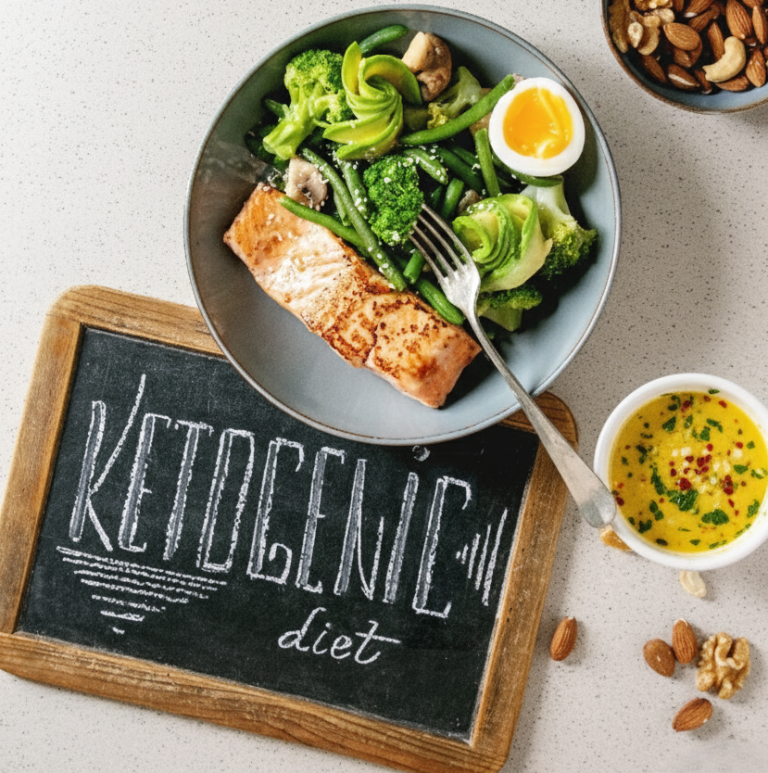
Is Cowboy Butter keto-friendly, as other steak sauces are?
Yes, it is keto-perfect, whereas A1 steak sauce with sugar (3-5g carbs/tbsp) is high sodium (1g). It is healthier than bearnaise (lowest amount of carbs, although high in eggs) and those found in stores, which contain HFCS. Eat halfway with fatty cuts, 1 tsp remains below 20g carbs per day. Strictness Carnivore dieters can omit herbs.