Why It Is Called Cowboy Butter?
Unravelling the Origins, Recipes, and Global Appeal
Do you ever put a fat, garlicky stuff on a hot steak and ask yourself why it is called cowboy butter? Cowboy butter has swept the culinary world and has appeared in TikTok videos, summer barbecues, and even on menus in fine dining restaurants. But what is the reason that we name it cowboy butter? Does it contemplate the Wild West cowboys riding the cattle in the sun, or is it just a promotional marketing highlight on an old-time compound butter?
We will dive deep into this exploration and look at its history, the hype, and all the things in between of this herb butter. You could be a steak lover who is eager to find the most appropriate topper, or you are simply interested in this trend, which is growing on social networks.
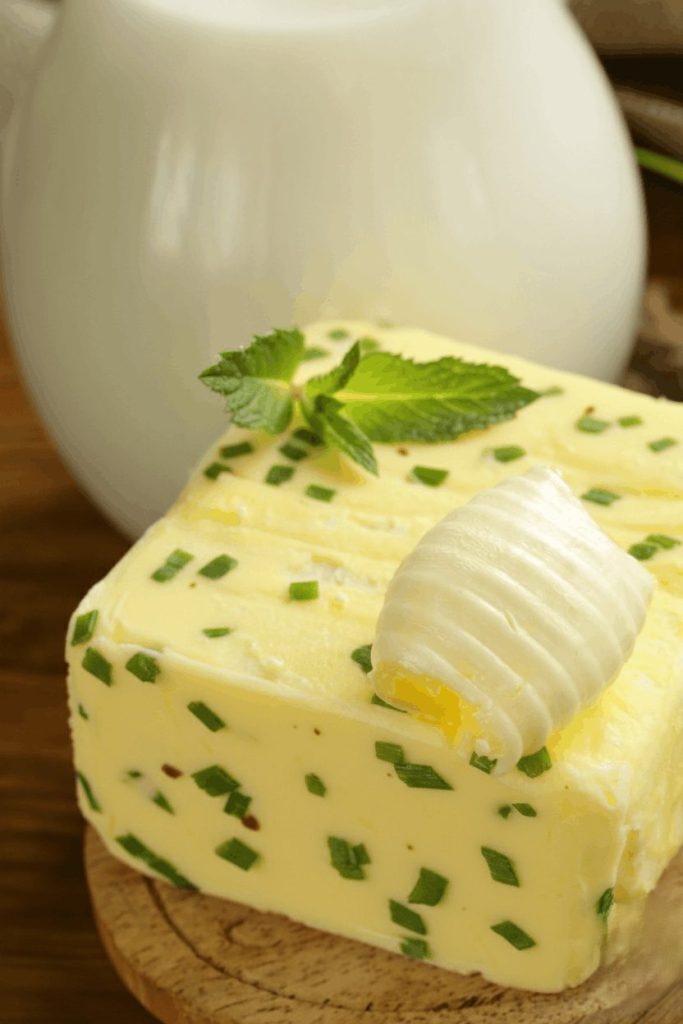
What is cowboy butter?
We’ll break down its components, background, and reasons, Why It Is Called Cowboy Butter, and how to make it at home. Curious about the recipe? Wait, we include step-by-step instructions suitable for both beginners and pros. Let’s saddle up and dive in.
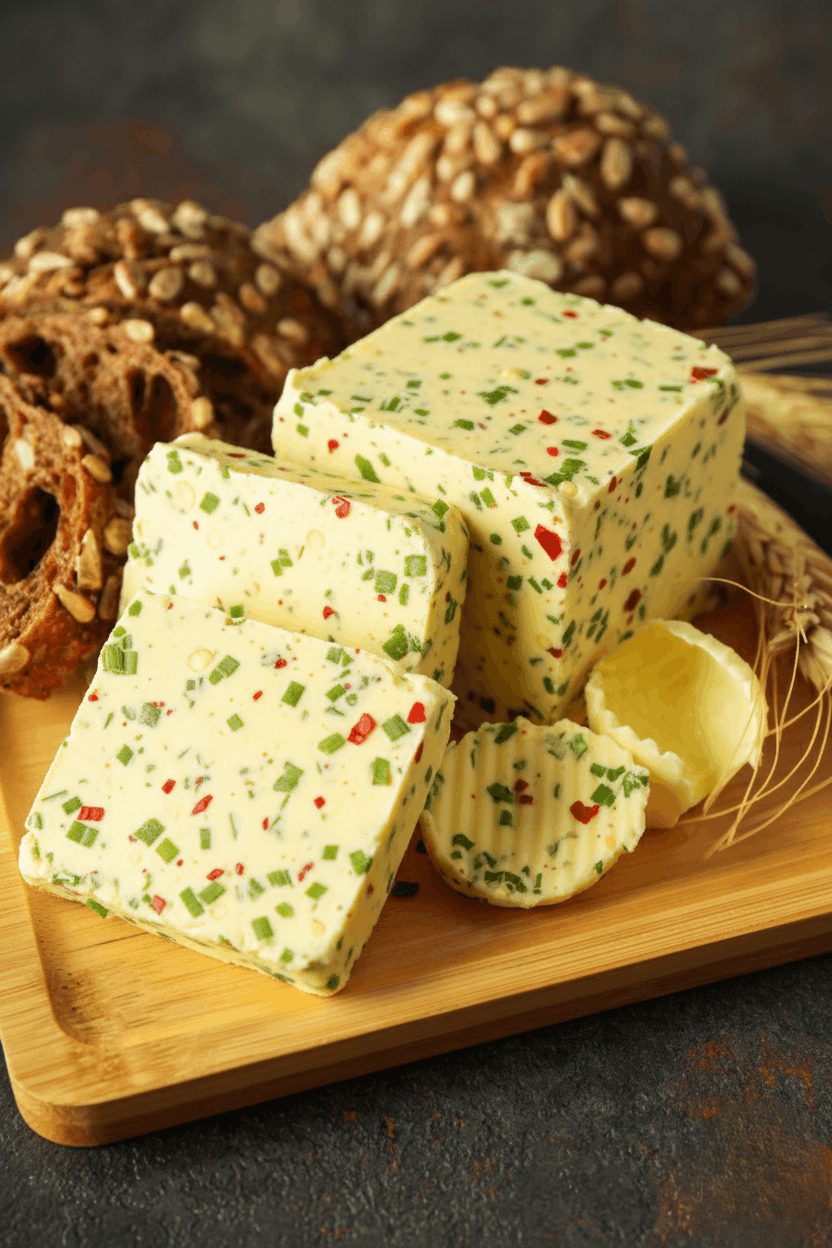
Unlike simple garlic butter, cowboy butter has layers of flavour. It’s usually melted for dipping sauce or chilled and sliced as a topping. Bloggers and chefs call it a blend of everything that works with steak: smoky, herbal, and citrusy. Cowboy butter is rugged and straightforward, much like its French cousin, beurre maitre d’hotel, parsley and lemon butter, yet distinct and robust.
This spread has gone viral, with creators raving about its effect on grilled ribeyes and baked potatoes, and roasted potatoes. Searches for cowboy butter spike during barbecue season because it’s a standout grilling addition.

The Confusion regarding the origin of Cowboy Butter.
The history of cowboy butter is as tangled as a dust trail, with rumours, legends, and a few clues. Its creator and origin date are unknown, but food historians suggest it drew inspiration from centuries-old French compound butters. The French have long flavoured butter with herbs and lemon, calling it beurre compose. Cowboy butter is an American spin with spices hinting at the Southwest.
A theory credits cowboy butter’s popularity in 2010 to Mr Donahue’s, a now-closed New York City restaurant serving it with prime rib and hearty fare. It then spread via food blogs and online recipes in the 2010s. Some trace it to America’s Midwest or South, where ranchers and cowboys made tasty, simple meals over open fires. Ingredients like garlic and herbs were common for cowboys and mixed with available butter.
Does it actually connect to real cowboys? Unlikely. 1800s cowboys didn’t have fresh herbs or Dijon; they lived on hardtack, beans, and salted meat. Instead, the name likely romanticises ranch hands’ no-nonsense lifestyle, who could have made similar sauces while driving cattle. Food lovers guess it’s inspired by campfire cooking, where strong flavours cut through smoke and enhance grilled meat.
Recently, cowboy butter went viral. In 2022, a TikTok from Jorts Kitchen got 10 million views, calling it the top steak sauce. Since then, cowboy butter gets more searches, with its origins debated on Reddit and Facebook. Some compare it to chimichurri with butter, or as garlic butter’s cousin. Its popularity isn’t fading; it balances old-world with modern flair.
The Story of Cowboy Butter. Why Is It Called Cowboy Butter?
Why cowboy butter? The name sparks images of lassos, campfires, and prairies; it’s more about feeling than fact. Some believe it refers to the dish’s rustic, adventurous character, simple foods with a spicy kick, reminiscent of prairie meals. Cowboys were known for hearty, no-nonsense food, and this butter matches that with its rough herbs and spices.
The cowboy label extends to other foods, like cowboy caviar and cowboy cookies. It’s a branding tool that invokes adventure and Americana, making dishes sound fun and approachable. For cowboy butter, the name highlights Western flavours: smoky paprika, bold cayenne, and garlic, reminiscent of Southwestern cooking.
Others call it a modern creation, pushed by social media, not old cookbooks. One Quora user joked Cowboys might have had cooks who experimented with butter sauces. Regardless, its catchy name turned simple butter into a cultural hit.
Today, cowboy butter is as much a story as a sauce.
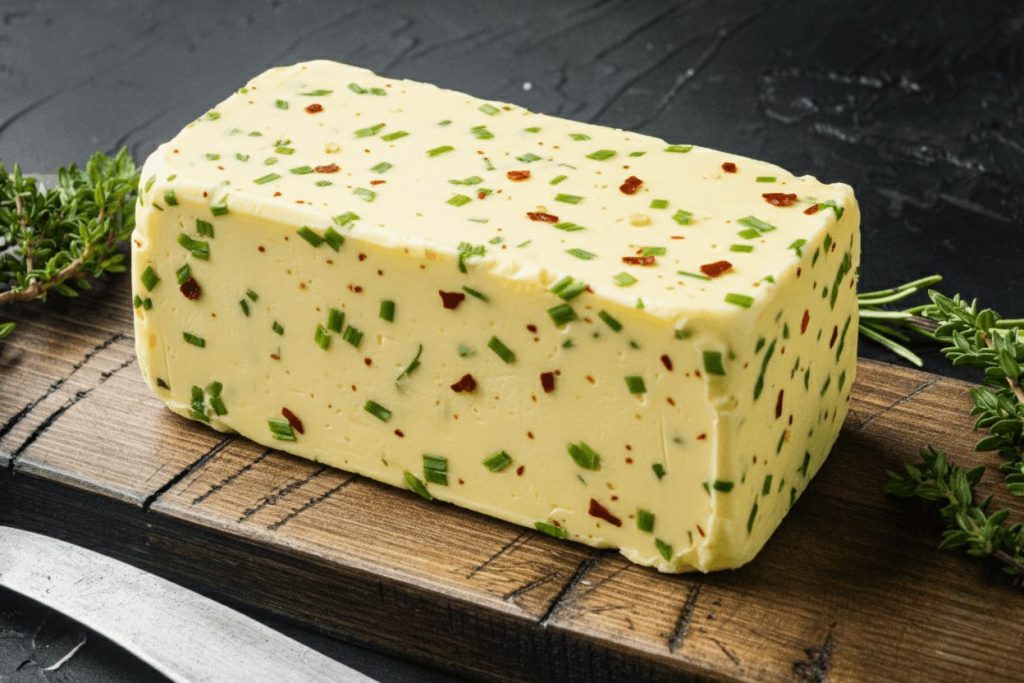
How to make a Classic Cowboy Butter: Step-by-Step.
Ready to try it? Cowboy butter only needs a few pantry ingredients and about 10 minutes. It’s flexible, make it as spicy as you want. Here’s a tested recipe that serves 4–6 as a dip or topping.
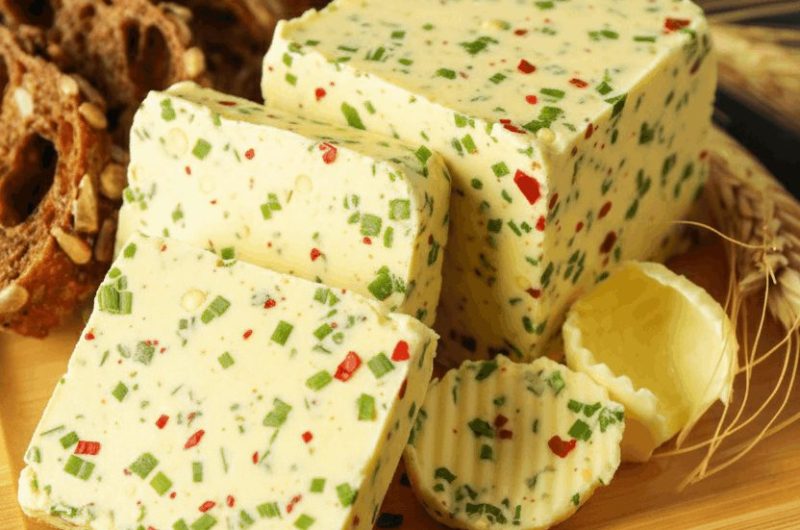
Why It Is Called Cowboy Butter?
Course: Uncategorized4
servings30
minutes40
minutes300
kcalIngredients
1 cup (2 sticks) unsalted butter, or salted butter, softened
4 cloves garlic, minced
2 tablespoons fresh parsley, chopped
1 tablespoon fresh chives, chopped
1 teaspoon fresh thyme, chopped
1 tablespoon Dijon mustard
lemon juice of 1 lemon or lemon zest
1 teaspoon smoked paprika
1/2 teaspoon cayenne pepper (adjust for heat)
1/4 teaspoon red pepper flakes
Salt and black pepper to taste
Classic Cowboy Butter Recipe
Directions
Instructions:
In a medium bowl, mash the softened butter until creamy.
Add the minced garlic, herbs, mustard, lemon zest, or lemon juice. Mix well.
Stir in the paprika, cayenne, red pepper flakes, salt, and pepper.
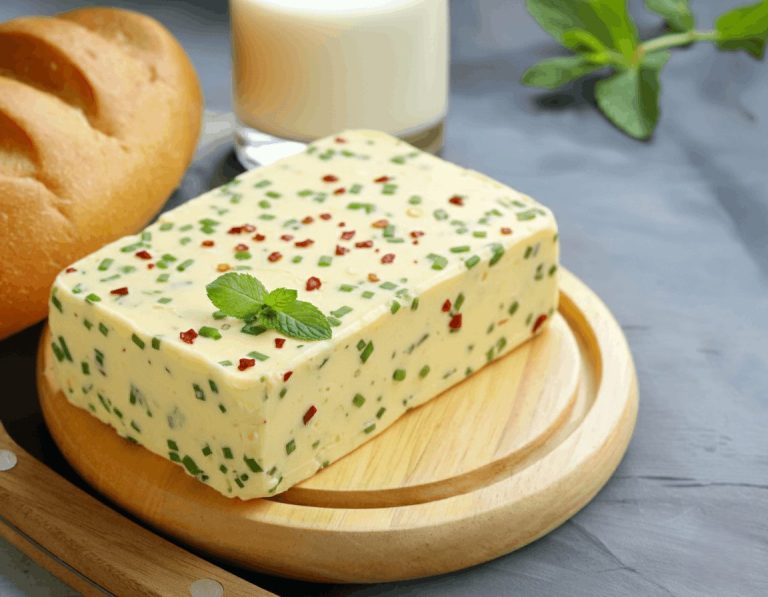
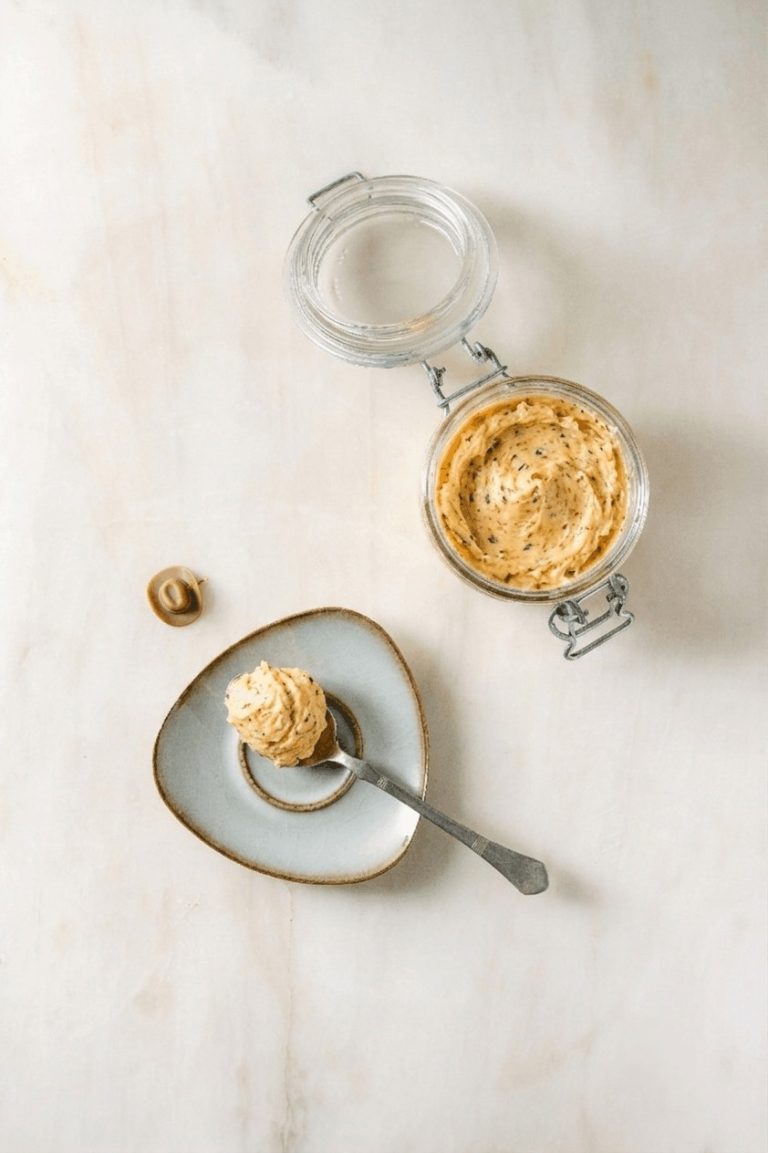
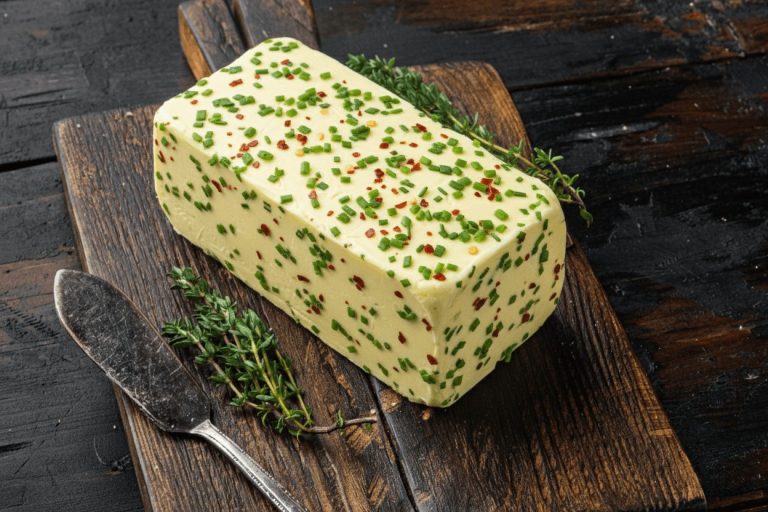
For a dip, melt gently in a saucepan over low heat. For a spread, roll into a log using plastic wrap and chill for 1 hour.
Serve with your favourite steak, or store in the fridge for up to a week.
This recipe draws from popular versions on sites like Taste of Home and Allrecipes, emphasising fresh ingredients for maximum flavour. Pro tip: Use grass-fed butter for a richer taste; it’s what elevates this from good to legendary.

Cowboy Butter, Variations and Global Twists.
Cowboy butter’s appeal lies in its flexibility. For mild tastes, skip the cayenne and add honey. Want a vegan version? Use a butter substitute. Prefer more heat? Add more chilli flakes or jalapeños.
The others are smoky chipotle cowboy butter to use in Mexican-themed tacos, and heavy herb versions to use in Mediterranean grills. Trying out different types of cowboy butter keeps things new and fresh. Trending searches indicate that people adore the modifications to tailor themselves to meals.
How to Use Cowboy Butter: Outside the Steak.
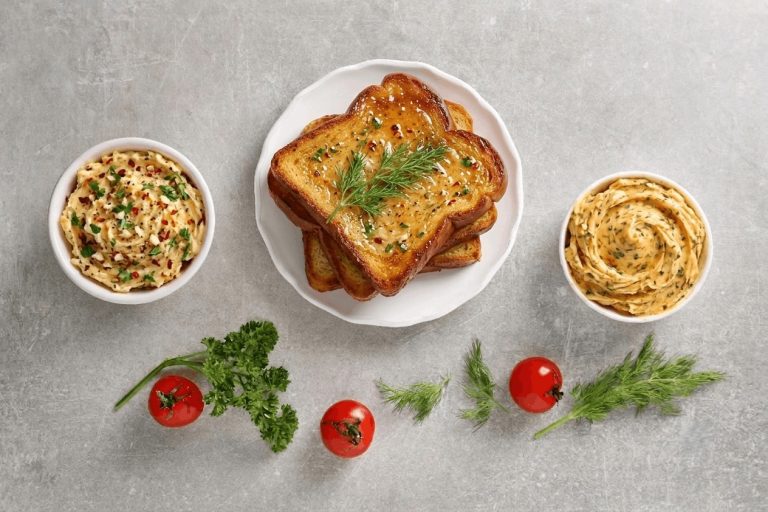
Although the search engine gives “cowboy butter to use in steak” as the top search, do not confine it to that. Grill it and add to corn on the grill, or mix it into mashed potatoes to make mashed comfort. It is great on seafood- consider shrimp skewers or baked salmon- or as a spread on crusty bread. In the case of veggies, add drizzles to roasted Brussels sprouts or asparagus to upgrade the dish in a few seconds.
It is a popular one in barbecues: Place a bowl on the table to dip in, and it is gone in no time. It is also nutritionally rich (because of the butter), but a treat because of portion control. To make it healthier, use less butter and more herbs.
Storage
Storage is not a problem: store in an airtight container, or freeze for up to months. Reheat, but not too much, or it will separate. Cowboy butter makes it extra wow, whether you are holding a dinner or a ranch party.
Perfection tips: Fresh herbs are always preferred because they bring a fresh kick, and dried herbs can be used, but they do not give the same kick. Butter should be softened at room temperature, not by microwaving.
Conclusion:
Why are we referring to cowboy butter? It is a combination of history, hype and hearty foods that transports the soul of the American West- rustic, bold and never-ending enjoyments. Cowboy butter can be found in places where food has no boundaries, such as in Asia, as well as in its homeland, in a diner in NYC, with its cloudy roots. You can use it with a steak to give it a dipping flavour, or to smear it on any meal and make it an unforgettable one.