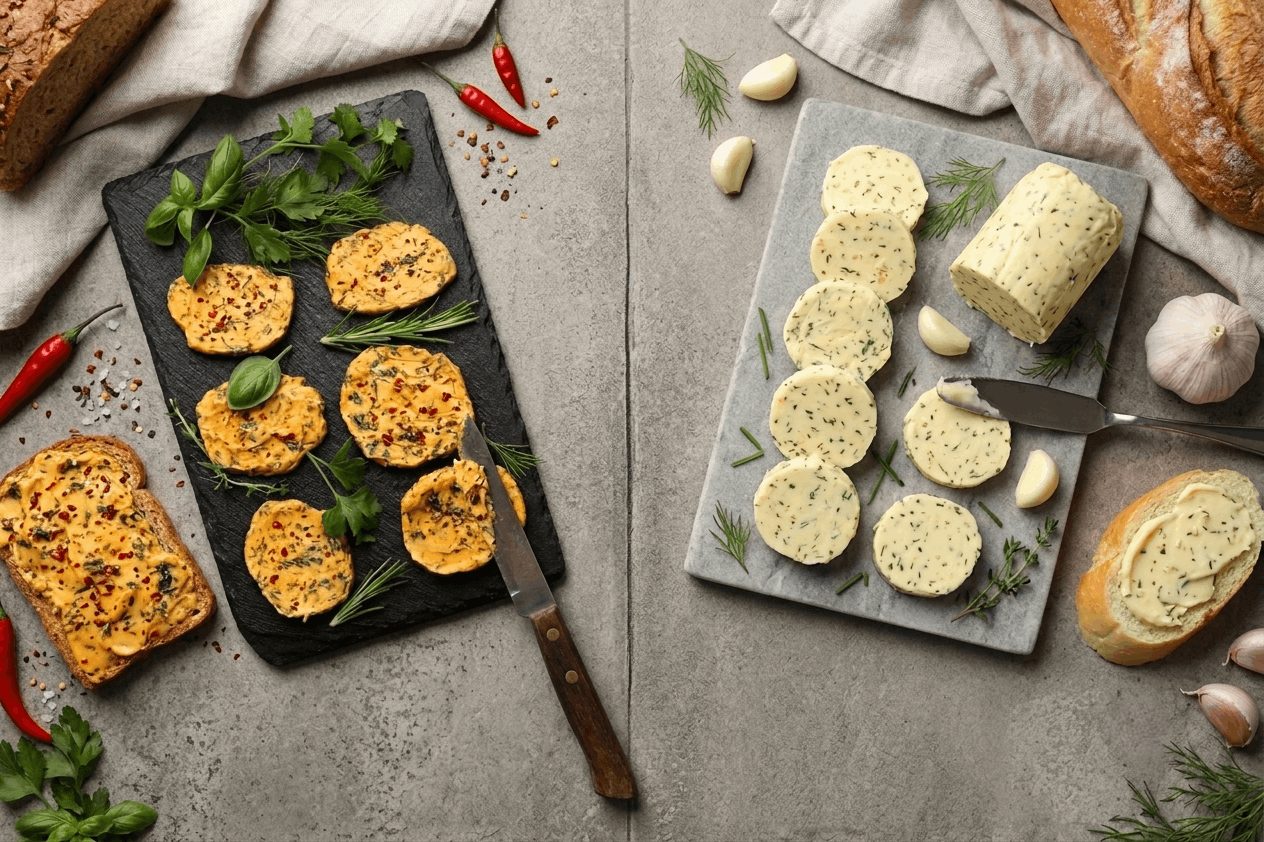
Cowboy Butter vs Garlic Butter
Ask most home cooks what they put on their steak or their dinner bread, and they’ll say “garlic butter” without a second thought. It’s a staple. It works. But a few years ago, I started noticing something: every time I made Cowboy butter instead, people asked what was different, and why it tasted so much better. The answer isn’t that garlic butter is bad. It’s that cowboy butter is playing an entirely different game.
When comparing Cowboy Butter vs Garlic Butter, it’s important to understand that these two compound butters share a base ingredient and a similar purpose, but they differ significantly in complexity, flavor, application, and the overall experience they deliver on the plate. Whether you’re deciding between Cowboy Butter vs Garlic Butter for tonight’s dinner or simply want to understand the culinary logic behind each one, this guide covers every meaningful difference, including ingredients, flavor profiles, best uses, storage, and which option works best for specific dishes.
If you’ve ever wondered why it is called Cowboy Butter, exploring its origins can help explain the bold flavors and unique ingredients that set it apart from traditional garlic butter. You may also find our article on What Does Cowboy Butter Taste Like? helpful for understanding why many people prefer it over classic garlic butter in certain dishes. By the end, you’ll know exactly when to choose cowboy butter and when garlic butter is the better fit.

Cowboy Butter vs Garlic Butter: Quick Verdict
If you’re looking for a quick answer to the Cowboy Butter vs Garlic Butter debate, the choice depends on your goal. Garlic butter is simple, rich, and versatile, while cowboy butter is bolder and more complex. For steak, seafood, and dipping sauces, Cowboy Butter vs. Garlic Butter often favors Cowboy Butter because of its added lemon, herbs, and mustard. For garlic bread and high-heat cooking, garlic butter remains the classic choice.
Cowboy Butter vs Garlic Butter Core Differences
Cowboy Butter vs Garlic Butter comes down to flavor intensity and purpose. Garlic butter is mild and versatile, while cowboy butter is bold, layered, and intentionally assertive.
The simplest way to think about the Cowboy butter vs Garlic Butter debate is this: garlic Butter enhances food quietly, while Cowboy butter transforms it loudly. Neither is objectively better, because Cowboy Butter vs Garlic Butter is ultimately a matter of culinary goals. Garlic butter works best when you want a simple, buttery finish, while cowboy butter shines when you’re looking for a more complex combination of herbs, lemon, mustard, and spice. Understanding the differences between Cowboy Butter vs Garlic Butter helps you choose the right option for steak, seafood, bread, vegetables, and dipping sauces.
Cowboy Butter vs Garlic; Butter List Comparison
In the Cowboy Butter vs Garlic Butter comparison, the ingredient list is where the contrast becomes most apparent. The added acid, heat, and mustard in cowboy butter create a sauce with considerably more complexity. Garlic butter may contain only 3 ingredients, while cowboy butter typically includes 8–10, giving it a richer and more nuanced flavor.
Ingredient: Garlic Butter Cowboy Butter
- Unsalted butter
- Garlic (minced or roasted)
- Fresh parsley Sometimes
- Fresh thyme
- Fresh chives
- Lemon juice + zest
- Dijon mustard
- Red pepper flakes
- Horseradish (optional)
- Worcestershire sauce (optional)
- Salt & pepper
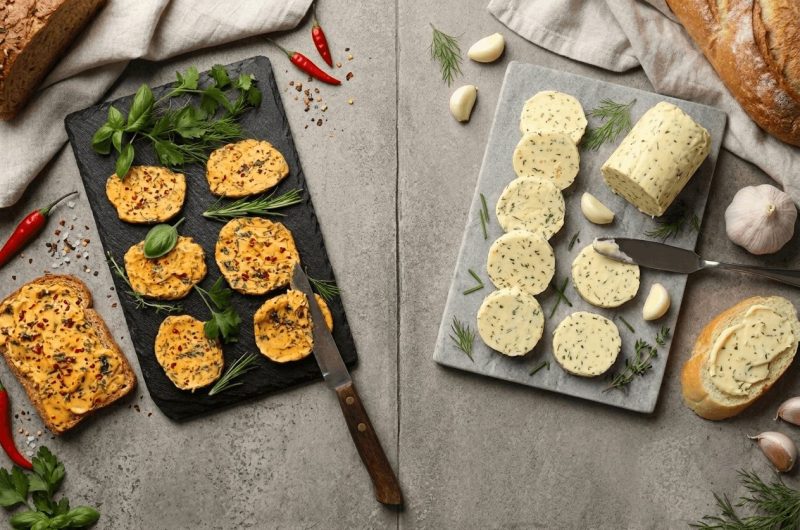
cowboy Butter vs Garlic Butter
Course: Uncategorized4
servings30
minutes40
minutes300
kcalIngredients
Cowboy Butter
Unsalted butter
Garlic (minced or roasted)
Fresh parsley Sometimes
Fresh thyme
Fresh chives
Lemon juice + zest
Dijon mustard
Red pepper flakes
Horseradish (optional)
Worcestershire sauce (optional)
Salt & pepper
Garlic ButterUnsalted butter
Garlic (minced or roasted)
salt & pepper
Directions
The mustard and lemon are the two ingredients that define cowboy butter most distinctly. Mustard acts as an emulsifier (keeping the butter from separating when melted) and adds a subtle, tangy depth. Lemon cuts through the richness of the fat and keeps the overall flavor from feeling heavy, something garlic butter can’t always avoid. For a kitchen-tested version of the full ingredient list, the classic cowboy butter recipe at CowboyButterRecipe.com is worth bookmarking.
Cowboy Butter vs Garlic Butter: Which Has the Better Flavor?
Cowboy butter has more moving parts: heat from the pepper flakes, earthiness from the thyme, freshness from the chives, and a back-note of mustard that builds slowly.
In our kitchen tests, we’ve tasted both side by side on identical pieces of grilled bread dozens of times. The consensus in the Cowboy Butter vs Garlic comparison is remarkably consistent: garlic butter is deeply satisfying and comforting, and few people ever dislike it. Cowboy butter, however, tends to stand out because of its added layers of flavor. The brightness of the lemon, the gentle warmth of the pepper flakes, and the herbal complexity create a more dynamic experience. When discussing Cowboy Butter vs Garlic Butter, many tasters notice that Cowboy Butter offers a bolder flavor profile that rewards attention with every bite.
Garlic butter flavor notes:

- Rich and savory
- Smooth, mellow garlic warmth
- Slightly sweet (especially with roasted garlic)
- Straightforward finish
Cowboy butter flavor notes:
- Bold and layered
- Bright lemon acidity upfront
- Spicy heat from red pepper
- Earthy herb complexity (thyme, chives)
- Tangy mustard backbone
- Long, savory finish
Cowboy butter vs. Garlic butter: Which One Is Better for Steak?
The reason cowboy butter excels with rich cuts like ribeye or New York strip comes down to acid balance. Fat needs acid to feel clean on the palate rather than heavy; it’s the same reason a squeeze of lemon on fried fish works so well. Garlic butter adds more fat to an already fatty cut. Cowboy butter adds fat and a counterbalancing brightness that makes each bite feel complete rather than cumulatively rich.
According to food science writing at Serious Eats, the role of acid in finishing sauces is to “lift and focus flavors,” which explains exactly why the lemon in cowboy butter functions as more than just a seasoning; it’s a structural element.
Which Is Better for Bread and Dipping?
We’ve served both at dinner parties, and the dynamic is revealing. Garlic bread made with garlic butter disappears as a matter of habit. Bread served with cowboy butter as a dipping sauce gets commented on — guests ask what’s in it, reach for seconds, and linger at the appetizer table longer than planned. That’s useful information about which one you want and when.
Cowboy Butter vs Garlic Butter: How Do Cooking Applications Differ?
The fresh herbs and lemon juice in cowboy butter degrade at high temperatures. Both work beautifully as a finishing touch applied after cooking, but only garlic butter holds up well as a true cooking fat.
The key rule you should follow in the kitchen: if heat is involved for more than a few minutes, garlic butter is safer. If you’re finishing, dipping, or drizzling, cowboy butter delivers more flavor per tablespoon.
Which Is Easier and Faster to Make?
From start to finish, cowboy butter takes about 10–15 minutes. It’s still quick by any cooking standard, but it requires more ingredients and more attention.
If you’re looking for a reliable, fast weeknight option, garlic butter is the practical choice. If you have 15 minutes and want something genuinely memorable, cowboy butter is worth every extra step. The cowboy butter dipping sauce variation at CowboyButterRecipe.com is a great starting point if you want a slightly looser, more sauce-forward version.
How Do Storage and Shelf Life Compare?
Both butters store similarly since they share the same base ingredient. Wrapped tightly in plastic wrap as a compound butter log, both keep in the refrigerator for up to 2 weeks or in the freezer for up to 3 months. However, because cowboy butter contains fresh citrus juice and a higher volume of fresh herbs, it can develop off-flavors slightly faster than plain garlic butter. For best quality, use cowboy butter within 10–14 days refrigerated.
FoodSafety.gov recommends keeping compound butters made with fresh herbs refrigerated at all times and consuming them within 1–2 weeks for peak safety and flavor.
Can You Substitute Cowboy butter vs Garlic butter for the Other?
In most recipes, yes, but with some caveats. Swapping garlic butter in place of cowboy butter works best in mild applications (pasta, vegetables, bread) where the extra boldness of cowboy butter isn’t essential. If a recipe specifically calls for cowboy butter as a finishing sauce for steak or seafood, garlic butter won’t fully replicate that experience.
FAQs
Is cowboy butter just spicy garlic butter?
Not exactly. While cowboy butter does contain red pepper flakes for heat, the defining differences are the lemon juice, Dijon mustard, and multi-herb blend. Those three elements add brightness and complexity that “spicy garlic butter” alone doesn’t capture. Think of it as garlic butter with a complete flavor architecture rather than just one added element.
Can I make cowboy butter without Dijon mustard?
Yes, but the mustard plays an important functional role beyond flavor; it helps emulsify the butter and keeps it from separating when melted. A small amount of whole-grain mustard works as a substitute. If you skip it entirely, the butter will still taste good but may be slightly greasier in texture when served warm.
Which is better for garlic bread?
Garlic butter is the better choice for traditional broiled garlic bread. The herbs in cowboy butter tend to char under a broiler, and the lemon juice can make the bread taste slightly acidic when concentrated by heat. If you want cowboy butter on bread, serve it warm in a ramekin as a dipping sauce rather than spreading it and broiling it.
Does cowboy butter work on pasta?
Exceptionally well. Toss hot pasta with 2–3 tablespoons of cowboy butter, a splash of pasta water, and grated Parmesan for a fast, impressive sauce. The mustard and lemon in the butter create a more complex flavor than garlic butter pasta, though both versions are genuinely good.
Cowboy butter vs Garlic butter which one is healthier than the other?
Both are butter-based and have similar calorie and fat profiles. Cowboy butter contains slightly more nutritional variety from its herbs and lemon juice, but neither qualifies as a “health food.” Enjoy both in reasonable portions as a flavor-enhancing finishing element rather than a cooking fat used in large quantities.
Which one freezes better?
Both freeze well as compound butter logs for up to 3 months. Slice off rounds as needed directly from frozen; no need to thaw the entire log. The fresh herbs in cowboy butter may lose a little vibrancy after freezing, but the flavor remains excellent.
Can I add garlic butter ingredients to make cowboy butter?
Absolutely, that’s essentially what cowboy butter is. Start with your garlic butter base and add lemon juice, lemon zest, Dijon mustard, red pepper flakes, fresh thyme, and chives. You don’t need to start from scratch.