Honey Cowboy Butter
The Sweet-Heat Compound Butter That Upgrades Everything
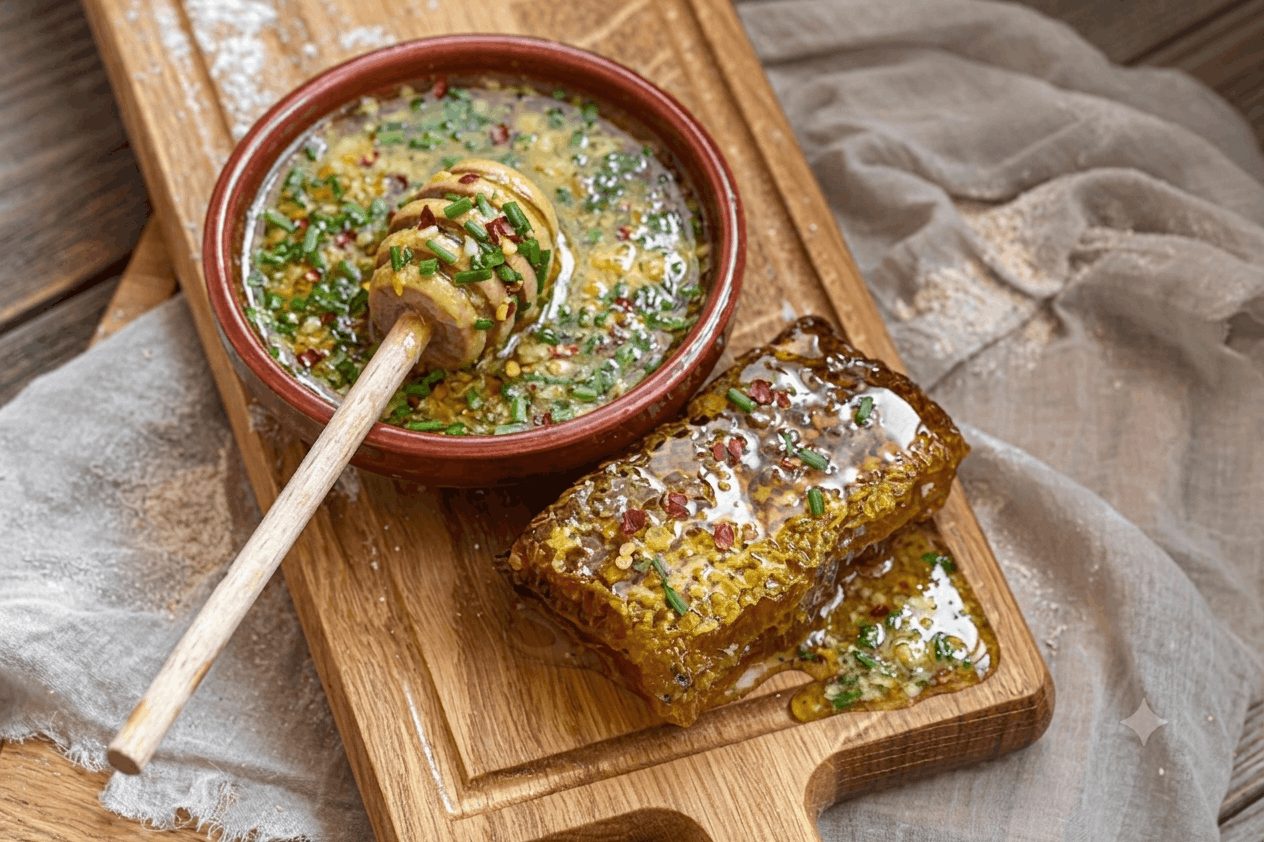
You know that moment when a pat of butter melts over a hot piece of grilled chicken, and the whole kitchen smells incredible? But with a golden drizzle of honey weaving through it, fresh herbs flecking every bite, a gentle kick of heat building at the back of your throat, and a bright zing of lemon tying it all together. That’s honey cowboy butter: the flavor-packed upgrade you didn’t know your kitchen was missing.
Classic cowboy butter has already earned its reputation as the boldest, most versatile compound butter around. Adding honey takes it somewhere even more exciting, a place where savory meets sweet, where heat gets balanced by a glossy, amber richness that makes everything it touches taste as if it came off a restaurant grill.
Let’s explore what honey cowboy butter is, how to make it at home in under 10 minutes, the best ways to use it (there are more than you’d think), and how to store it so you always have some on hand. Whether you’re planning a summer cookout or just trying to rescue a Tuesday night dinner, this is a recipe you’ll reach for again and again.
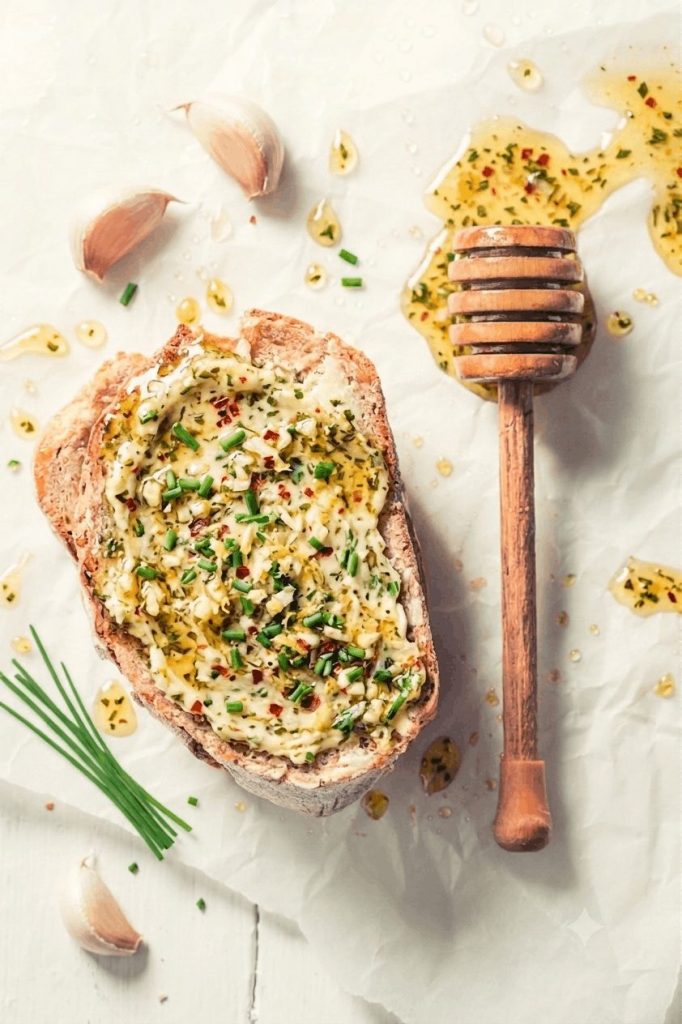
What Is Honey Cowboy Butter, and What Makes It Special?
Regular cowboy butter is already a lot: rich, herby, a little spicy, tangy from the lemon and Dijon. It’s a full-flavor experience all on its own. But honey changes the game. Honey cowboy butter softens the sharp edges, adds a beautiful gloss when melted, and creates that sweet-heat contrast that people find genuinely addictive. Think of it as the difference between a standard hot sauce and a great hot honey; one hits hard, and the other hits smart.
Compound butter, for anyone new to the term, is simply softened butter that’s been whipped together with other ingredients, herbs, spices, citrus, mustard, and sweeteners. The French call it beurre composé. Americans call it a secret weapon. Once you start keeping a log of honey cowboy butter in your fridge, you’ll start adding it to things you’d never have thought to.
Why is Honey Cowboy Butter a good match?
Flavor science gives us a useful explanation here: fats like butter act as flavor carriers. Interestingly, scientists have long studied how humans perceive taste and aroma, with the Smithsonian Institution exploring the relationship between flavor, smell, and sensory experience in everyday foods. amplifying the aromatic compounds in herbs and spices. When you add honey to that mix, the natural sugars do two important things. First, they balance heat; honey’s sweetness literally dampens the perception of capsaicin from chili flakes and cayenne. Second, honey caramelizes when it hits a hot surface, creating a glossy, lacquered crust on meat or vegetables that you just can’t get from butter alone.
The result is a honey cowboy butter that’s layered in a way that plain garlic butter, or even standard cowboy butter, can’t fully match. Every component has a role:
• Butter brings richness and body
• Honey adds sweetness, gloss, and caramelization
• Garlic provides savory depth
• Dijon mustard adds tang that keeps the richness in check
• Lemon brightens everything and cuts through the fat
• Smoked paprika brings a subtle, campfire smokiness
• Red pepper flakes or cayenne deliver warmth that the honey tempers perfectly
• Fresh herbs (parsley, chives) add color and a grassy freshness at the finish
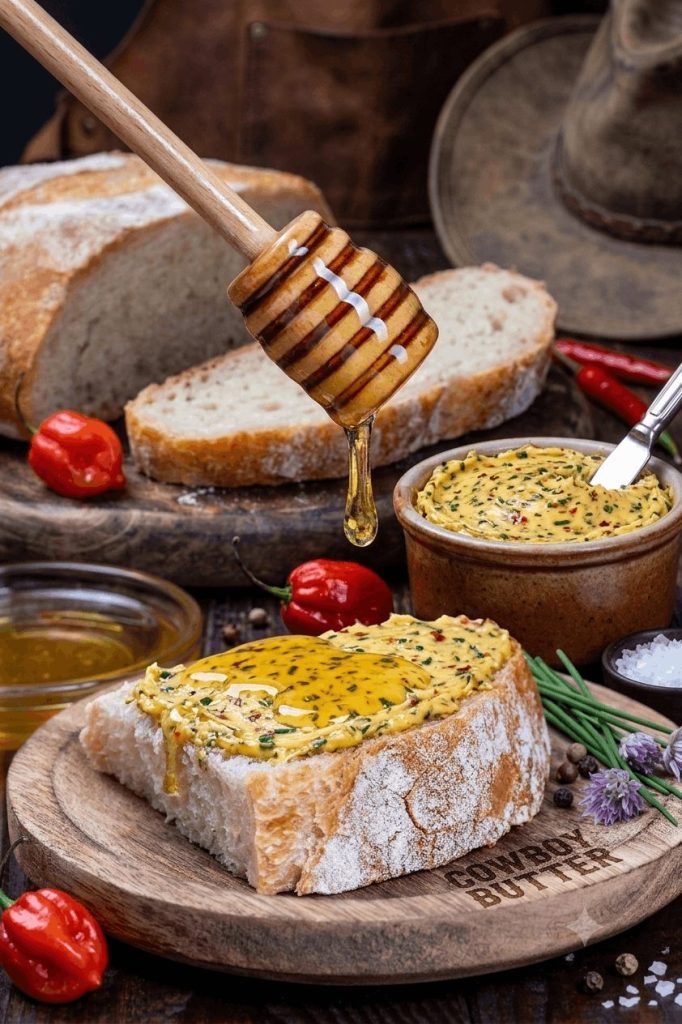
What Type of Honey Should You Use?
This question matters more than people realize. The honey you choose shapes the whole flavor of the butter.
Honey Type Flavor Profile Best Use in Honey cowboy butter
Wildflower Floral, medium sweet All-purpose, Clover Mild, clean sweetness. Good if you want honey to stay in the background, Buckwheat Bold, molasses-like. Pairs brilliantly with steak and pork.
Hot honey (store-bought) Sweet + spicy built in Doubles down on heat; reduce pepper flakes
Local raw honey Complex.
In our testing, wildflower honey hits the sweet spot for everyday cooking. Buckwheat honey is a stunning choice if you’re making honey cowboy butter specifically for steak. Its deep, almost malty flavor pairs with beef in a way that feels intentional.
Pro Tip: If you want big sweet-heat impact without fussing with separate honey and chili, use a tablespoon of store-bought hot honey (like Mike’s Hot Honey) and reduce or skip the red pepper flakes. It’s a two-for-one shortcut that works beautifully.
What Ingredients Do You Need for Honey Cowboy Butter?
Here’s the full base recipe for honey cowboy butter, sized to make a generous batch, plenty for one big dinner or enough to tuck into the fridge for the week.
The Full Ingredient List

Makes one log (about 8–10 servings as a finishing butter)
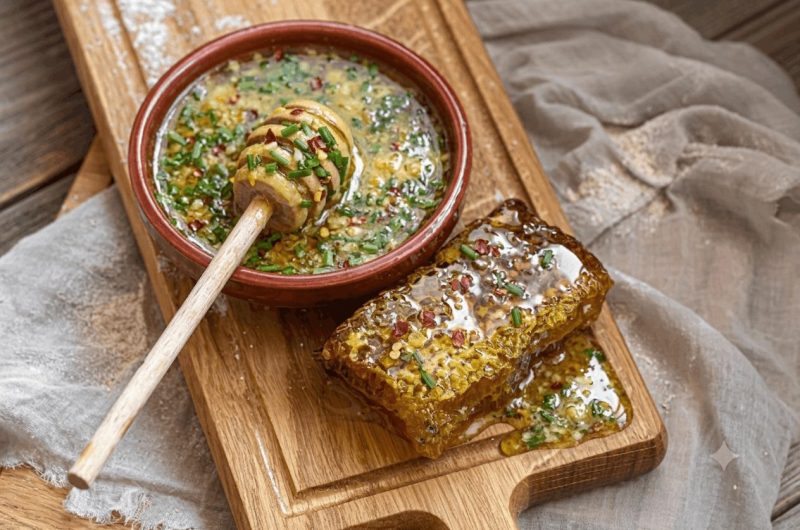
Honey Cowboy Butter
Course: Dipping Sauces4
servings30
minutes40
minutes300
kcalIngredients
• 1 stick (8 tablespoons / 113g) unsalted butter, at room temperature
• 1½ tablespoons honey (adjust to taste — more for a sweeter profile, less for subtle sweetness)
• 3–4 cloves garlic, finely minced or grated
• 1 tablespoon Dijon mustard
• 1 teaspoon fresh lemon juice + ½ teaspoon lemon zest
• ½ teaspoon smoked paprika
• ¼ teaspoon red pepper flakes (reduce if using hot honey)
• Pinch of cayenne (optional, for extra heat)
• 2 tablespoons fresh flat-leaf parsley, finely chopped
• 1 tablespoon fresh chives, finely chopped
• ½ teaspoon flaky sea salt (like Maldon) or ¼ teaspoon kosher salt
• Freshly cracked black pepper to taste
Directions
How Do You Make Honey Cowboy Butter Step by Step?
One of the best things about honey cowboy butter is how low-effort it is for how high-impact it tastes. No cooking required. No special equipment needed (though a hand mixer makes it extra fluffy if you want to go that route).
Classic Compound Butter Log
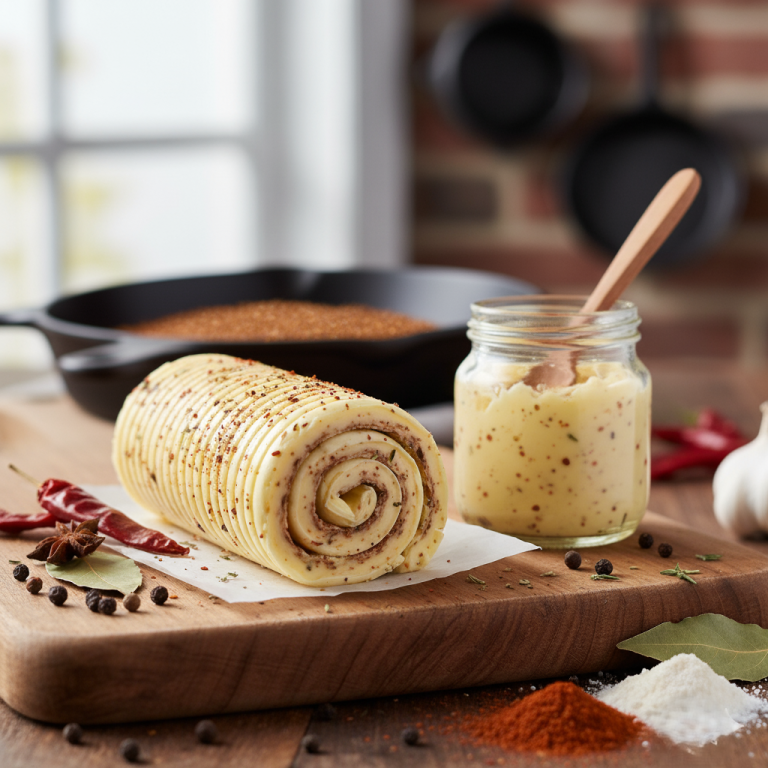
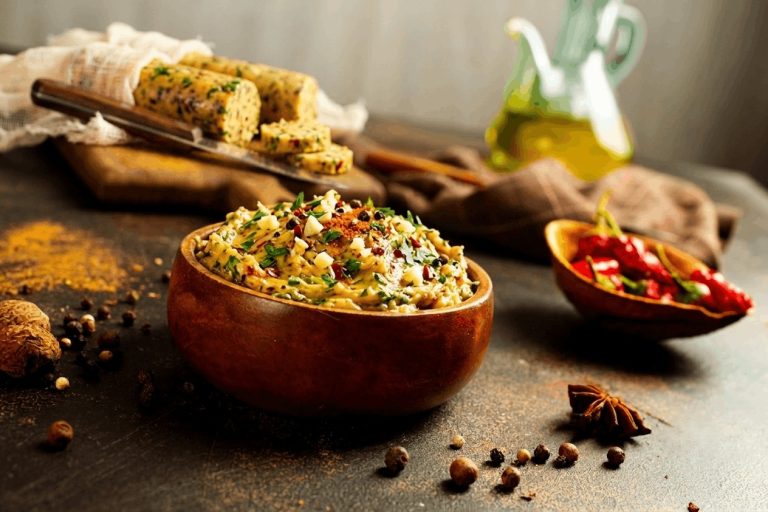
This is the method we come back to most often. Rolling the butter into a log lets you slice off perfectly portioned rounds straight onto hot food, where they melt into a gorgeous, glossy pool.
- Soften your butter. Leave it at room temperature for at least 30 minutes. When you press it gently, it should give easily but still hold its shape. Too cold and it won’t blend; too warm and it’ll be greasy.
- Prep your aromatics. Mince the garlic as finely as you can, big chunks of raw garlic in compound butter are jarring. If you find raw garlic too sharp, cook it in a tiny bit of butter for 30–60 seconds first, let it cool completely, then add.
- Combine everything in a bowl. Add the softened butter, honey, garlic, Dijon, lemon juice and zest, smoked paprika, red pepper flakes, salt, and pepper. Use a fork or spatula to mash and fold until fully combined, and the ingredients are evenly distributed, no streaks of honey, no pockets of herbs.
- Fold in the fresh herbs last. Parsley and chives go in at the end, so they stay vibrant green and don’t get bruised from too much mixing.
- Roll into a log. Spoon the mixture onto a piece of parchment paper or wax paper. Shape it into a rough cylinder about 1–1½ inches in diameter, then roll the paper around it and twist both ends tightly (like a candy wrapper). The rolling action smooths it into an even log shape.
- Refrigerate until firm. About 1–2 hours in the fridge is enough to make it sliceable. When ready to use, unwrap and cut rounds as thick or thin as you like.
Warm Honey Cowboy Butter Dipping Sauce
When you want something to dip warm, crusty bread into, or a sauce to pour over just-cooked salmon or shrimp, the melted version of honey cowboy butter is what you’re after.
- Melt butter in a small saucepan over low heat, don’t rush this, high heat will separate the butter.
- Once melted, add garlic and cook for 30–60 seconds until fragrant.
- Remove from heat and stir in honey, Dijon, lemon, spices, and herbs.
- Taste and adjust, more honey for sweetness, more lemon for brightness, more chili for heat.
- Keep warm on the lowest setting until ready to serve.
Common Mistake to Avoid:
Don’t add the honey to melted butter and then try to refrigerate it into a compound butter. The fat will separate from the honey as it cools, giving you a greasy, uneven result. Always start with softened (not melted) butter for the log and spread versions for honey cowboy butter.
What Are the Best Ways to Use Honey Cowboy Butter?
This is where honey cowboy butter really earns its place in your kitchen. The sweet element opens up a whole new range of uses that classic (savory) cowboy butter doesn’t cover as naturally.
On Grilled and Roasted Meats
The most obvious use, and still the best. A round of honey cowboy butter melting over a hot ribeye, pork chop, or grilled chicken breast is one of those genuinely satisfying cooking moments. The butter melts into the juices of the meat, the honey caramelizes slightly against the hot surface, and the herbs and garlic perfume every bite.
For chicken
The honey addition is particularly smart. Chicken has a naturally mild sweetness that amplifies the honey note, and the fat in the butter keeps the meat juicy even if it’s cooked a touch past perfect. Try it on everything from simple grilled thighs to bone-in roasted pieces. For inspo on how cowboy butter elevates poultry, the cowboy butter chicken linguine recipe on our site shows exactly how a butter sauce can transform a weeknight pasta dish.
For pork,
Honey cowboy butter might be the single best thing you can put on a grilled chop or tenderloin. The sweetness of the honey echoes the natural sweetness of good pork, and the smoked paprika leans into those barbecue notes.
For seafood
A warm drizzle of honey cowboy butter over grilled shrimp, seared salmon, or scallops is restaurant-worthy with almost no effort. Check out the cowboy butter scallops recipe for a deep dive into how buttery sauces pair with seafood, the honey variation works equally well.
As a Glaze for Vegetables
Roasted vegetables and honey cowboy butter are a combination that surprises people the first time they try it, and then becomes a weekly habit.
Toss any of the following in the warm, melted sauce before roasting, or brush it on during the last 10 minutes of cooking for a glossy caramelized finish:
• Sweet potatoes or butternut squash (the honey is a natural here)
• Carrots (roast at 400°F, brush with honey cowboy butter in the last 10 minutes)
• Corn on the cob (brush while still hot off the grill)
• Brussels sprouts (the slight bitterness plays beautifully against the sweet heat)
• Roasted cauliflower steaks
The honey in the butter helps vegetables caramelize faster and more evenly, creating those deeply browned edges that make roasted veg so good.
How Do You Store Honey Cowboy Butter?
The compound butter log freezes exceptionally well for up to 3 months. Wrap tightly in parchment, then in aluminum foil (double-wrap to prevent freezer burn), and label with the date.
To use from frozen: slice off rounds while still frozen and place directly on hot food, they’ll melt right into it. Or thaw the whole log overnight in the refrigerator.
Freezer Pro Tip:
Slice the log into individual tablespoon-sized rounds before freezing and lay them on a parchment-lined sheet to freeze solid. Once frozen, transfer to a zip-lock bag. Now you can grab exactly one or two rounds at a time without thawing the whole log, a huge convenience on busy weeknights
Time to Make Your First Batch of Honey Cowboy Butter
There’s a reason this compound butter keeps showing up in kitchens from backyard grills to weeknight stovetops: it genuinely makes everything it touches taste better. The combination of sweet honey, bold garlic, bright lemon, herby freshness, and just enough kick is one of those flavor profiles that hits every note you want at the dinner table.
The best part? You can mix up a batch of honey cowboy butter in 10 minutes, tuck a log in your fridge, and have instant restaurant-quality flavor on call for the whole week. That grilled chicken you’ve made a hundred times? Different now. That corn on the cob from the farmers’ market? Completely transformed. That plain old biscuit at breakfast? Suddenly worth waking up for.
Give it a try this week and let us know what you put it on first, we love hearing what creative things our community comes up with. Drop a comment below, pin this article for your next cookout, or explore the full range of cowboy butter recipes at CowboyButterRecipe.com The cowboy butter universe is wide, and every corner of it is delicious.
FAQs
Q: What is honey cowboy butter?
Honey cowboy butter is a variation of classic cowboy butter, a compound butter made by blending softened butter with garlic, fresh herbs, Dijon mustard, lemon, and spices, with honey added to create a sweet-heat balance. The honey adds natural sweetness and a light glaze quality when melted over hot food. It can be served as a warm dipping sauce, a sliceable compound butter log, or a soft spread depending on the recipe.
Q: How much honey should I add to cowboy butter?
Most recipes use between 1 and 2 tablespoons of honey per stick (8 tablespoons / 113g) of butter, depending on how sweet you want the final result. Starting with 1 tablespoon and tasting before adding more is generally a good approach. Keep in mind that the honey flavor will be more noticeable in cold compound butter than in a warm sauce, where it tends to mellow out.
Q: Can I use maple syrup instead of honey in cowboy butter?
Yes, maple syrup can generally be substituted for honey in equal amounts. It produces a slightly warmer, more woodsy sweetness compared to floral honey, and works especially well with pork, sweet potatoes, and roasted root vegetables. The consistency is similar enough that it won’t significantly affect the texture of the butter.
Q: Does honey change the texture or consistency of cowboy butter?
Adding honey to compound butter can make the mixture slightly softer and stickier than a plain herb butter, particularly at room temperature. When rolled into a log and chilled, honey cowboy butter firms up normally and slices cleanly. In a warm, melted sauce, the honey helps create a smooth, slightly glossy consistency that coats food well.
Q: Why did my honey cowboy butter sauce separate or look greasy?
Butter-based sauces typically separate when the heat is too high or the sauce is overworked. This is more likely to happen with honey added, since the sugars can cause the mixture to break more quickly at high temperatures. To fix a broken sauce, remove it from the heat and whisk in a small amount of cold butter or a splash of warm water while stirring constantly. Using low, gentle heat from the start helps prevent separation.
Q: Is honey cowboy butter gluten-free?
The base ingredients in honey cowboy butter, butter, honey, garlic, fresh herbs, lemon, and spices, are naturally gluten-free. Dijon mustard, which most recipes include, can vary by brand; some contain wheat-derived ingredients, so checking the label is advisable for anyone with a gluten intolerance or celiac disease. Worcestershire sauce, when used, may also contain gluten depending on the brand.
Q: Can I make a dairy-free version of honey cowboy butter?
A dairy-free honey cowboy butter can generally be made by substituting a plant-based butter alternative for the dairy butter. Coconut oil-based vegan butters tend to produce the most similar flavor and texture, though the result will vary depending on the brand. The honey and all other standard ingredients are naturally dairy-free, so the substitution is straightforward.
Q: How is honey cowboy butter different from regular cowboy butter?
The core difference is the addition of honey, which shifts the flavor profile toward sweet-savory rather than purely savory-herby. Regular cowboy butter is typically bold, garlicky, and tangy with moderate heat; adding honey softens those sharp edges and creates a glaze-like quality when the butter melts over hot food. For a full overview of what goes into a standard version and its history, what is cowboy butter covers the base recipe and background in detail.
Honey Cowboy Butter
Course: Dipping Sauces4
servings30
minutes40
minutes300
kcalIngredients
• 1 stick (8 tablespoons / 113g) unsalted butter, at room temperature
• 1½ tablespoons honey (adjust to taste — more for a sweeter profile, less for subtle sweetness)
• 3–4 cloves garlic, finely minced or grated
• 1 tablespoon Dijon mustard
• 1 teaspoon fresh lemon juice + ½ teaspoon lemon zest
• ½ teaspoon smoked paprika
• ¼ teaspoon red pepper flakes (reduce if using hot honey)
• Pinch of cayenne (optional, for extra heat)
• 2 tablespoons fresh flat-leaf parsley, finely chopped
• 1 tablespoon fresh chives, finely chopped
• ½ teaspoon flaky sea salt (like Maldon) or ¼ teaspoon kosher salt
• Freshly cracked black pepper to taste