Curry Cowboy Butter
The Bold Compound Butter That Will Change How You Cook
There’s a classic dinner table moment, a bite, a pause, then wide eyes. That’s the curry cowboy butter moment, which we first saw by melting a spiced pat over a sizzling ribeye. It never fails.
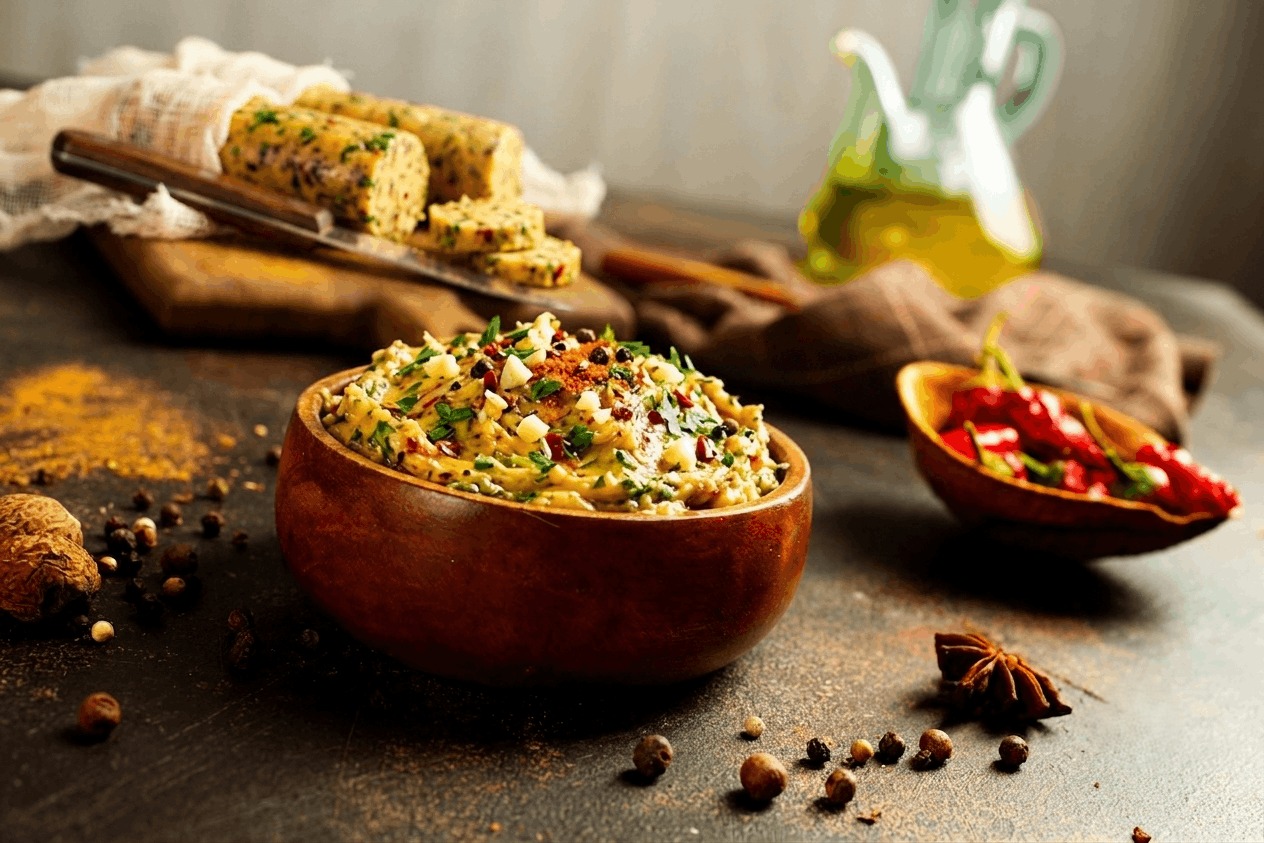
Curry cowboy butter has everything you love about classic cowboy butter: garlic, herbs, and a glossy finish. It also has earthy depth from bloomed curry spices. This elevates a great condiment into something extraordinary. If you like such an extraordinary touch to your meals, do try our cowboy butter ranch sauce, honey cowboy butter. Slather it on grilled steak, dunk bread into it, or finish roasted vegetables. This butter delivers flavor that most recipes barely touch.
In this guide, you’ll get our tested recipe, every technique we’ve refined through dozens of batches, smart variations for different spice levels, and honest answers to the questions most food blogs skip entirely.
What Is Curry Cowboy Butter?
Chefs have used compound butters for centuries; the French call them beurres composés and put them on everything from fish to roast chicken. Cowboy butter is America’s bold, rustic spin. Curry is the next logical, delicious step. If you’re interested in the broader history of culinary traditions and ingredients, resources like Britannica can provide fascinating background reading.
Curry adds complexity, turmeric’s earthiness, coriander’s citrus warmth, and cumin’s smoke. It also transforms the look: the deep gold pools on steak or gleams on bread.
A great curry cowboy butter depends on three things: blooming your spices, using room-temperature butter, and balancing acidity. We’ll detail these below.
How to make curry cowboy butter:

Curry Cowboy Butter:
Course: Dipping Sauces4
servings30
minutes40
minutes300
kcalIngredients
Curry Cowboy Butter
Unsalted butter, softened 1 cup (2 sticks / 225g).
Curry powder (good quality) 1½ tsp.
Garlic, minced 4 cloves
Fresh flat-leaf parsley, chopped 3 tbsp.
Fresh chives, chopped 2 tbsp.
Dijon mustard 1 tsp.
Lemon juice, 1 tbsp.
Lemon zest ½ tsp.
Red pepper flakes ¼–½ tsp
Kosher salt ½ tsp. Season, then taste and adjust salt as needed.
Smoked paprika (¼ tsp)
Fresh cilantro (1 tbsp
Honey or mango chutney (1 tsp)
Garam masala (¼ tsp)
Finely grated fresh ginger (½ tsp)
Directions
Choosing Your Curry Powder
Not all curry powders work the same in butter. We tested many brands and varieties. Here’s what we found:
Mild curry powder from brands like Spice Islands or McCormick suits first-timers or guests who prefer less heat. Turmeric gives a vibrant color without overwhelming.
Madras curry powder adds more depth and moderate heat, great with rich meats like lamb or brisket.
Vadouvan, a French blend, is sweeter, more aromatic, and gives butter a caramelized note. It’s recognized as very versatile.
Thai green or red curry paste at 1½ teaspoons turns the butter brighter and more herbaceous, with lemongrass notes, ideal with shrimp and fish.
Step-by-Step Instructions
Step 1: Bloom Your Spices (Don’t Skip This)
In a small dry skillet over medium-low heat, toast the curry powder for 45–60 seconds, stirring constantly. You’ll smell it open up, fragrant and toasty, not acrid. Remove from heat and let it cool for 2 minutes.
This single step is the biggest difference between a flat-tasting curry butter and one that tastes genuinely complex. Blooming activates the fat-soluble aromatic compounds in the spices, distributing flavor far more effectively through the butter. Food science enthusiasts often enjoy reading research-based articles from Harvard’s nutrition and public health resources on how ingredients interact during cooking. gimme the link for this one
Step 2: Soften Your Butter Properly
Butter must be truly room temperature, not melted or cold, but soft enough for a fingertip to leave an impression. Let it sit 45–60 minutes. If rushed, cut into coins and rest for 15 minutes.
Step 3: Combine Everything
In a medium bowl, combine the softened butter, bloomed curry powder, garlic, parsley, chives, Dijon, lemon juice, lemon zest, red pepper flakes, and salt. Blend with a rubber spatula or hand mixer on low until completely uniform. There should be no white streaks of plain butter left.
Step 4: Taste and Adjust
This step matters. Before serving or storing, taste your butter on bread. Adjust salt, lemon juice, curry, and heat as needed.
Step 5: Serve or Store
For dipping sauce: melt in a saucepan over low heat, then pour into a warm ramekin.
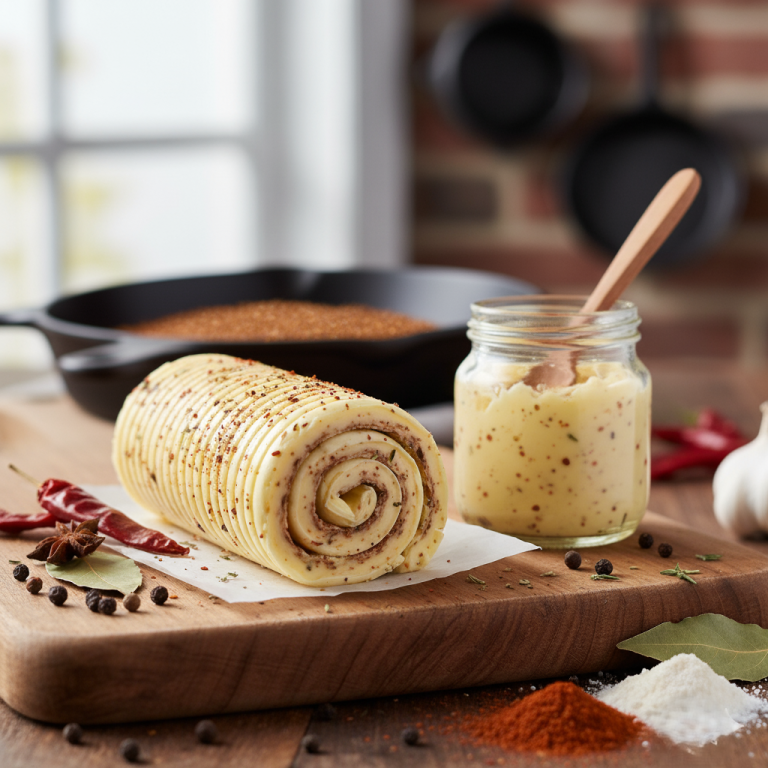
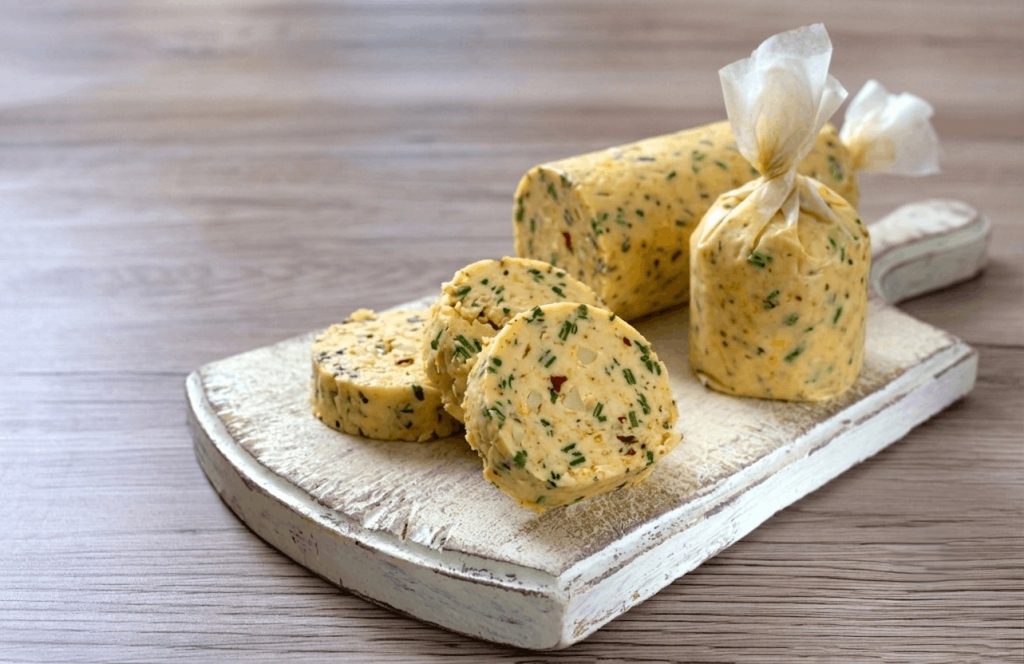
For storing: Spoon butter onto plastic wrap. Roll into a 1.5-inch cylinder, twist ends, and refrigerate. Slice as needed.
How to Serve Curry Cowboy Butter
For steak: Place a ½-inch round atop a just-rested ribeye, strip, or T-bone. Let melt 30 seconds, then serve. Curry enhances the char and beef fat. It’s savory and aromatic.
As a dipping sauce, curry cowboy butter proves exceptionally popular. Gently melt, pour into a ramekin, and serve with crusty sourdough, naan, or a sliced baguette. It is often the fastest item to disappear at gatherings.
With Seafood: Grilled shrimp, pan-seared scallops, and roasted salmon all benefit from a spoonful of curry cowboy butter. The butter’s richness tempers the acidity seafood often needs. The curry adds an aromatic bridge. For shrimp, especially, use the Thai curry paste variation mentioned above.
With Vegetables: Toss roasted cauliflower, sweet potatoes, or green beans in melted curry cowboy butter as soon as they come out of the oven. The residual heat blooms the spices again. Everything gets coated in a golden sauce.
As a Quick Pan Sauce: After searing chicken thighs, remove them from the pan. Drop in 2 tablespoons of curry cowboy butter. Add a splash of chicken stock and scrape up the fond. You’ll have a restaurant-quality pan sauce in under 2 minutes.
On Bread, Corn & More: Slather cold on a warm biscuit. Melt over fresh corn on the cob. Drop into a baked potato with sour cream. Every one of these works.
What’s the Difference Between Curry Cowboy Butter and Regular Cowboy Butter?
The best way to understand the difference is to make both side by side for a tasting, something we’ve done with groups of recipe testers. The findings are consistent: classic cowboy butter reads as bright, garlicky, and fresh. Curry cowboy butter reads as warm, deep, and slightly exotic without being polarizing.
Neither is better objectively. Classic cowboy butter has a more universal appeal for casual cookouts. Curry cowboy butter tends to be the one that prompts people to ask for the recipe.
You can explore the original foundation over at our classic cowboy butter recipe to taste the difference for yourself.
Can You Make Curry Cowboy Butter Ahead of Time?
Yes, and it’s actually better made ahead. Compound butter needs at least 2–3 hours in the refrigerator for the flavors to fully meld. Store rolled in plastic wrap for up to 2 weeks in the fridge, or freeze for up to 3 months. Slice from frozen directly onto hot food; it thaws in seconds from the residual heat.
Make-ahead tip: We often make a double or triple batch on Sunday. By mid-week, when you’re pulling the compound butter log from the fridge to finish a quick weeknight chicken, the flavors have had days to develop. It’s genuinely better than day-of.
One important note on food safety: because this recipe uses raw garlic, follow USDA guidelines and keep your compound butter refrigerated at all times. Garlic-in-oil preparations at room temperature can create conditions for Clostridium botulinum growth; the same logic applies here. Refrigerate promptly and always within 2 hours of making.

Final Thought:
Curry cowboy butter is one of those recipes that costs almost nothing to make, takes about 10 minutes, and then sits in your refrigerator quietly improving everything it touches for the next two weeks. It’s the kind of thing you find yourself reaching for constantly, to finish a piece of fish you threw in a pan on a Tuesday, to make a piece of toast feel like an event, to turn a casual backyard cookout into something people talk about.
The key to really nailing it is blooming those spices, using quality curry powder, and tasting as you go. Once you get comfortable with the base recipe, the variations open up an entire world of flavor.
If you make this recipe, we’d genuinely love to hear how you served it. Drop a comment below, share a photo on Pinterest, or tag us so we can see your version. And if you want to explore more compound butter magic, check out our full cowboy butter collection and our guide to cowboy butter dipping sauces for even more ways to use this incredible ingredient.
Now go make some curry cowboy butter. You’ll be glad you did.
FAQs
Can I use curry paste instead of curry powder?
Yes. Use 1½ teaspoons of mild curry paste (Thai or Indian style) in place of the curry powder. Paste contains oil and sometimes coconut milk, so your butter may be slightly softer. Refrigerate for at least an hour before slicing. The flavor tends to be brighter and more aromatic than dry powder.
What cut of steak works best with curry cowboy butter?
Ribeye is our top choice; its generous fat marbling carries the spiced butter beautifully. Strip steak and T-bone are excellent runners-up. For leaner cuts like flank or skirt steak, slice against the grain and spoon the melted butter over the top rather than resting a cold pat on it.
Is curry cowboy butter spicy?
In the quantities in this recipe, it has a gentle warmth rather than aggressive heat. The red pepper flakes provide most of the spice; the curry powder contributes an earthy flavor more than heat. To reduce heat, halve the red pepper flakes. To increase it, add cayenne pepper or use Madras curry powder.
Can kids eat curry, cowboy butter
Most kids do well with this recipe if you omit or reduce the red pepper flakes. The curry flavor is warm and earthy rather than sharp. For a kid-friendly version, use a mild curry powder, skip the chili flakes entirely, and add a tiny drizzle of honey.
What herbs can I substitute if I don’t have chives?
Green onion (scallion) tops work perfectly as a 1:1 substitute for chives. Fresh tarragon adds an interesting anise note. Flat-leaf parsley is already in the recipe and can be increased by 1 tablespoon to compensate.
Why does my compound butter look greasy or separated?
This happens when butter is too warm during mixing, or when liquid ingredients (lemon juice) aren’t incorporated gradually. If it separates, refrigerate the mixture for 10–15 minutes, then re-mix with a spatula. Always start with properly softened (not melted) butter.
Can I use salted butter?
You can, but reduce or omit the added kosher salt and taste carefully before serving. Salted butter also varies in sodium content by brand, making seasoning less predictable. Unsalted butter gives you full control.
How do I use curry cowboy butter as a marinade?
Melt 2–3 tablespoons and use it as a basting brush on protein during the last 3–4 minutes of grilling. Don’t use it earlier; the butter solids burn over high heat. For a marinade, melt it, cool slightly, and toss with vegetables before roasting at moderate oven temperatures (375°F / 190°C)
Can I gift curry cowboy butter
Absolutely, it makes a wonderful food gift. Roll it tightly in parchment paper, wrap it in twine, and include a small card with serving suggestions. Keep it refrigerated and note on the tag that it should be consumed within 2 weeks or frozen.
What’s the best bread to serve with curry, cowboy butter as a dipping sauce?
Crusty sourdough, warm naan, and pita are our top three. The texture contrast between a crisp exterior and the warm, golden butter is part of the experience. Soft dinner rolls work beautifully, too, especially if you let the butter soak in slightly.